
Energy: How to Protect Your Social Bandwidth in the Workplace
By Jim Higgins
Career Coach & Career Prism Method℠ Strategist
Argonaut Coaching LLC
I get mistaken for being an extrovert on an almost daily basis.
I’ve spent the last 20 years teaching, presenting, running meetings and talking to strangers but there was a time when doing any of those things terrified me. Even now, the nerves are still there every time I know I’m about to address a room full of people or call someone I’ve never met but the thing that’s even harder is how physically drained I am when it’s done.
I can do all of those things but I definitely can’t do it for long periods of time.
I’ve been fighting a one-man battle since I discovered I was an introvert, and every time I hear someone use introvert to describe someone who’s shy or extrovert to describe someone who’s outgoing, I can’t help but correct them. Introversion and extroversion tell us how we recharge, and that plays a critical role in whether a chosen career is sustainable.
What Energy measures
Energy is the second pillar of the G.E.M.S. Profile, measuring how you engage with the people around you and how you relate to them. It’s your personality in action.
Energy isn’t about whether you can do something, it’s about what it costs you and how you get it back.
An extrovert leaves a packed day of meetings with more energy than they started with while I leave a full day of school counseling drained and desperate for hours of solitude so I can recharge. For an extrovert, being stuck doing solo work with no interaction will have them looking for connection so they can charge their social battery.
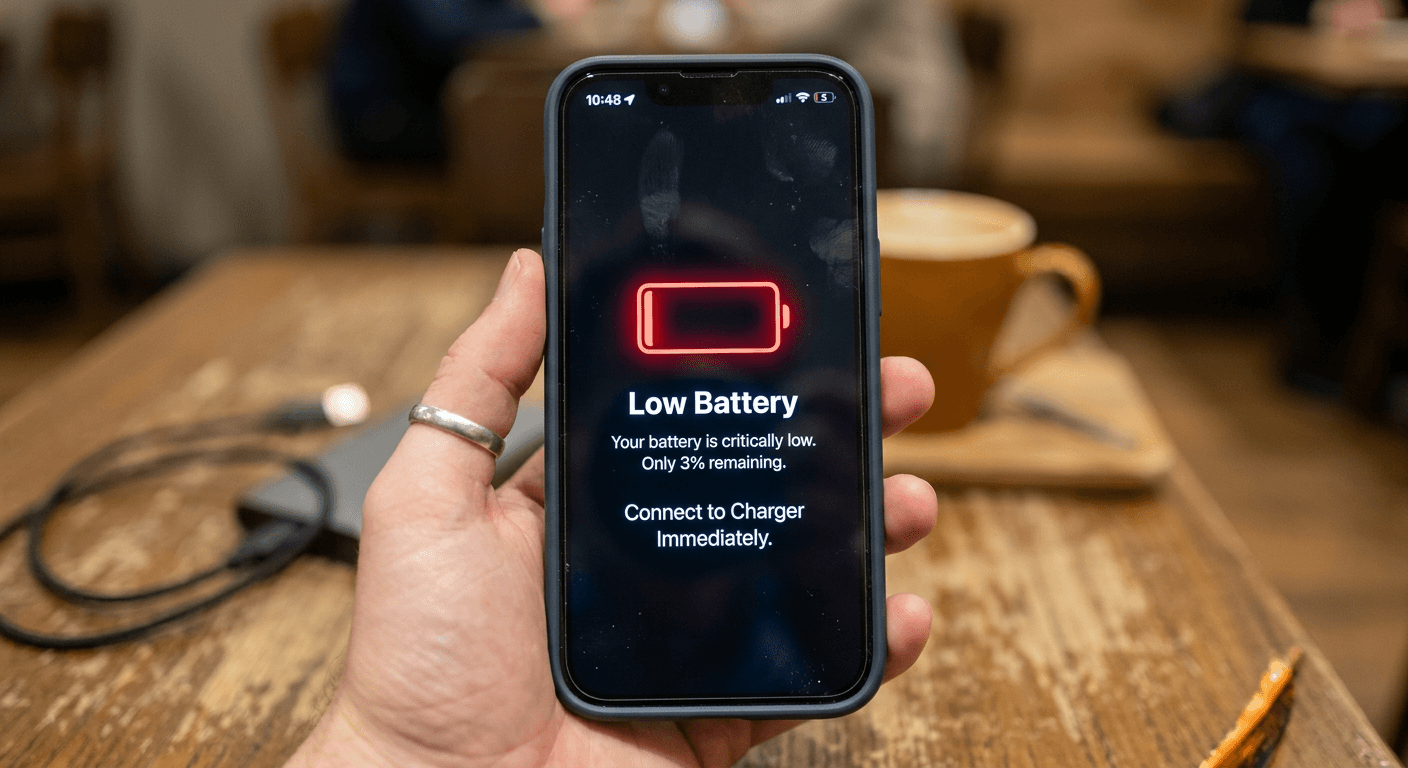
Social bandwidth is a budget, not a personality trait
We start each day with a certain amount of social bandwidth. Some interactions will deplete that bandwidth while others replenish it — determined by whether you’re an introvert or extrovert. Everyone has a different level of bandwidth and most people have no idea what drains them and what recharges them.
That last part is the real cost.
If you don’t know what drains your social bandwidth, you can’t plan for it. For the last two football seasons, after a long week of school counseling, I served as the public address announcer for my high school’s home football games. I knew I would be drained by Friday night, but I enjoyed announcing and made sure I had just enough energy to pump up a stadium full of fans. Saturdays required more recovery time after a game since my social bandwidth was even more depleted than usual, but I was ready for the new week once Monday came back around.
The trick isn’t avoiding the work or the people, but knowing how you’re spending your energy and what you need to do to get it back.
Where people get this wrong
No one can tell you how to budget your bandwidth, but when you start paying attention to the things that cost you bandwidth versus the things that replenish your bandwidth, you can find a way to make sure you’re not overly exhausted by Wednesday of every week.
Just remember, understanding your Energy is not a permission slip to avoid the things you don’t want to do or to do things that allow you to avoid responsibility.
Using the fact that you’re an extrovert does not give you permission to avoid individual tasks. Even the most social of careers will have moments where emails need to be answered or reports need to be written. But knowing how those activities impact you means you can plan to do them when you have energy to spare.
How this impacts career decisions
Consulting and school counseling are built for extroverts but I’ve found success in them anyways.
Most people aren’t burned out because they don’t like what they do; it’s because their day-to-day doesn’t match how they’re built.
Plenty of us are in careers we chose because we wanted to do the work, yet we are still running on empty. A job title can look like a perfect match but it’s not until we discover what we actually do on a random Tuesday in October that we realize our career may not be the match we thought it was.
Genius tells us what we’re naturally good at while Energy tells us the cost of doing it and what we’ll need to keep going. Together they’re the first two steps in helping us see if a job is sustainable long term.
Everybody has a bandwidth budget but the question is, are you spending yours on purpose?

Data-driven career coaching for first paths, fresh starts & next chapters, delivered virtually nationwide.
Schedule a Free Intro SessionCareer Prism Network℠ is a collective of independent practitioners. Each practitioner operates through their own separate legal entity, and clients engage services directly with the individual practitioner's firm.
Information on this website and in our materials is for career design and educational purposes only. It does not constitute mental health, clinical, legal, tax, or investment advice. Please consult a qualified professional for those concerns.
Career Prism Method℠, Career Prism Network℠, G.E.M.S. Profile™, Career Spectrum™, Career Design Blueprint™, Academic Assurance™, and Adaptive Pivot™ are service marks or trademarks of Raymond Giese of Career & Financial Pathways LLC.